Replacing every window in a home is not a quick Saturday job. It touches security, comfort, energy spend, and the look of the place you live. When clients search “aluminium windows near me,” what they usually want is not just a catalogue, but a plan: what to prioritise, how to sequence the work, where the real costs and savings sit, and who they can trust to carry it through. I have walked homeowners through full-house aluminium upgrades in flats, terraces, and suburban homes. The best outcomes come from careful scoping, smart product choices, and a fitting team that respects the building as much as the design.
Why aluminium earns its place in a whole-home overhaul
Aluminium is not the cheapest route, and it does not try to be. It’s the material you choose when slim sightlines, longevity, and structural stability matter. Timber looks warm, but it needs more care and can move with the seasons. uPVC can be cost-effective, but chunky profiles and thermal movement limit what you can do with big panes and minimalist frames. Aluminium allows tall, narrow windows, large fixed lights, and stacked sliders that still feel light in the hand. In London flats, where space is precious and views are part of the property value, that matters.
The second reason is predictability. Powder-coated aluminium with a quality anodised or marine-grade finish resists warping, chalking, and peeling. When I check installations after a decade, the frames still track smoothly and seals still hold. If you have had draughty casements or swollen sashes you have to shoulder open, this upgrade can feel like changing a service door into a fine instrument.
Thermally broken frames close the gap on energy efficiency. Five to ten years ago, some homeowners still associated aluminium with cold bridging. That’s outdated. Modern systems insert polyamide thermal breaks between inner and outer sections. Paired with the right glass, you can hit U-values that satisfy tough regulations while keeping that slender look.
Start with the building, not the brochure
Every successful upgrade starts with a measured survey and a frank audit of the building. If you are in a conservation area, your “aluminium windows near me” search should include an installer who understands planning nuance. Not every home needs permission for like-for-like replacements, but details such as transom heights, glazing bars, and opening styles can be controlled. I have won approvals where aluminium replaced timber by matching sightlines, adding delicate astragal bars, and agreeing a matte finish that kept the streetscape coherent.
In older London terraces, expect the reveals to be far from square. You want a surveyor who checks three dimensions in at least six places per opening, notes packing requirements, and allows sensible tolerances. That informs fabrication. If your installer rushes this part, you pay for it with foam-filled gaps, over-caulking, and compromised weathering.
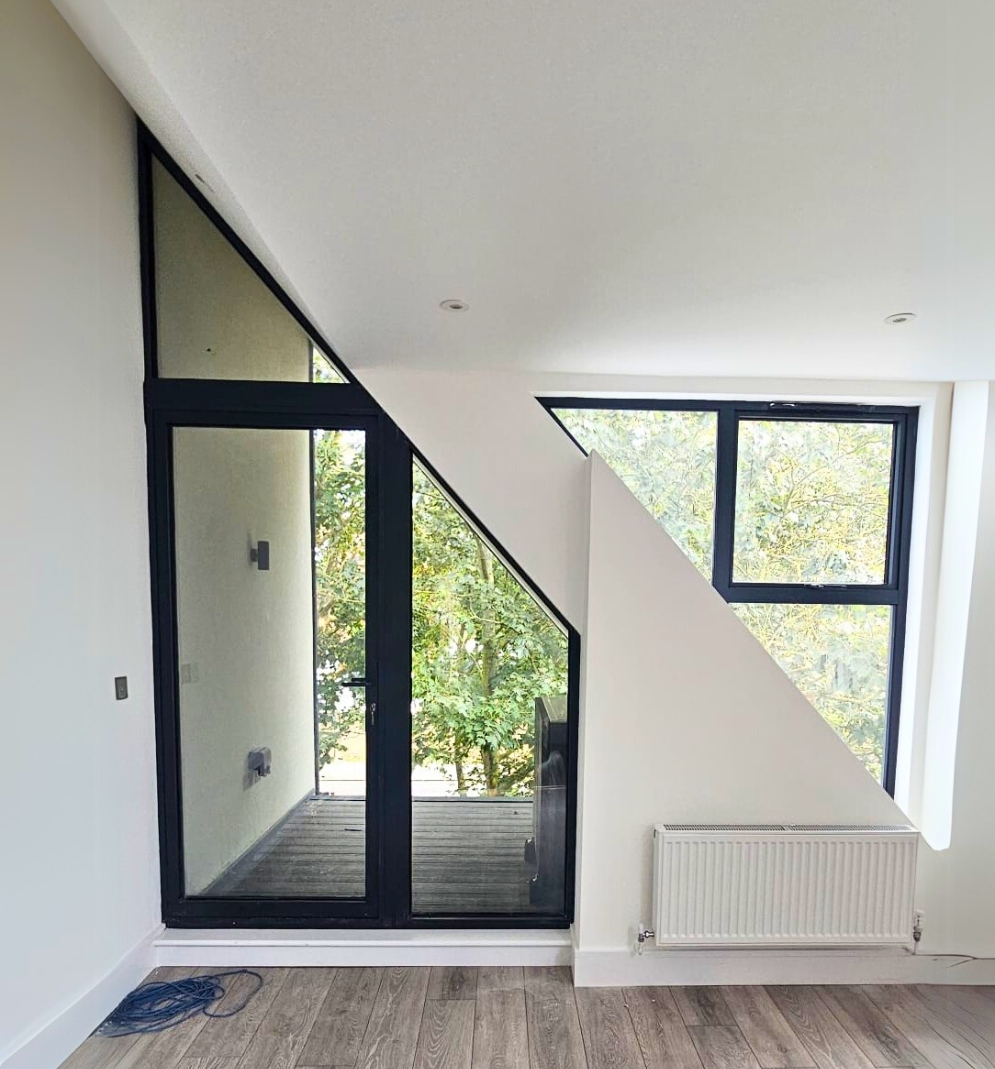
Take a moment with drainage. Sills should project enough to throw water clear of the brick face, and trickle vents need careful positioning to keep airflow without whistling. On one Walthamstow project, moving the vent location by 20 millimetres eliminated a persistent wind note that had driven the owners mad in winter. These details are not glamourous, but they define living quality.
Thermal performance, honestly explained
Performance figures get thrown around without context. Here’s how I frame it when helping clients choose.
U-value measures heat transfer. Lower is better. Whole-window U-values in the range of 1.2 to 1.6 W/m²K are common for aluminium systems with double glazing and can drop to around 0.8 to 1.0 with triple glazing on the right system, though weight increases quickly. In many London homes, jumping from a decent double to triple glazing gives diminishing returns unless the walls and roof have already been improved. If you face a busy road, the acoustic benefit of laminated glass often matters more than the marginal thermal gain of a third pane.
Solar gain (g-value) influences how the sun warms your rooms. South and west elevations can overheat with high g-value glass. A balanced specification uses solar control coatings on those elevations while keeping higher g-values on the north side to harvest light.
Air tightness determines draught perception. Look for systems with tested Class 4 air permeability. Hardware quality and the precision of the install make or break this in practice. If the handles feel spongy during the handover, insist on adjustment before you sign off.
Sightlines, frames, and the myth of “one-size-fits-all”
People fall in love with the look of thin frames, and with aluminium you can deliver it. Still, sightline obsession can backfire. Extra-skinny frames sometimes rely on fewer chambers and lighter sections, which can flex on taller units. I often recommend a balanced mid-slim profile for homes with 1.5 to 2.2 metre high windows. You gain durability and better hardware anchoring without a visible penalty.
Casements versus tilt-turn is another fork in the road. Tilt-turn gives high airflows and is easy to clean from inside, great for upper floors. It also swings into the room, which conflicts with blinds and small rooms. Side-hung casements keep furniture clear and suit British habits, but need good friction stays and correct gasket compression to seal over the long term. I tend to specify restrictors in children’s rooms, and full egress hinges for bedrooms on upper levels to support escape routes.
Fixed lights that reach close to floor level look stunning, especially in Victorian bays. Add a low-iron outer pane to punch clarity. Just remember: building regulations will expect guarding against falls if the glass goes below 800 to 900 millimetres above the internal floor. Toughened or laminated glass and sometimes a balustrade deal with this safely without spoiling the view.
Glazing choices that make the difference
Beyond the simple double versus triple conversation, two decisions make a big difference.
First, laminated interlayers for acoustic control and security. A 6.8 millimetre laminated pane with a quality PVB interlayer can reduce high-frequency road noise better than a standard 4 millimetre pane and improves resistance to impact. On busy London streets, this makes bedrooms feel calm. If you combine two panes of different thicknesses, you break up sound resonance and improve the result.
Second, warm-edge spacers. Swapping aluminium spacers for composite or stainless warm-edge variants reduces edge-of-glass condensation risk and nudges the overall U-value down. This is a small detail with outsized benefits in winter.
Gas fill matters but is not magic. Argon is standard and reliable. Krypton helps with very thin cavities but is overkill for most domestic units. Focus on cavity width and coatings before chasing exotic gas fills.
Where aluminium doors meet the window story
A full upgrade often includes patio sliders, French doors, or a new front door. People search “Aluminium Doors in London” after deciding on windows, then realise the design language needs to match. Oversized panes demand robust tracks, well-seated rollers, and proper threshold integration. If you are replacing a timber French door with an aluminium slider, coordinate the structural opening now, not later. You may need a steel lintel modification if you are widening, and the finish floor level must blend with the threshold to avoid a step that catches https://www.google.co.in/search?q=Durajoin+Aluminium+Windows+and+Doors toes or traps water.
On a recent job in Barnet, we changed a dated two-panel timber slider to a three-panel aluminium system with a slimmer interlock. The light gain felt like someone took off sunglasses. The client had assumed a flush threshold meant leaks. With the right drainage tray and an external fall of about 1:60 away from the door, the system handled heavy rain without a drop inside. Get the base prep and fall right, and your doors will perform as well as they look.
Project planning, sequencing, and how to live through it
The cleanest projects sequence elevations and group similar units to streamline fabrication and fitting. I schedule the least visible elevation first. If anything needs tweaking in technique, you learn it where it shows least. Bedrooms come before living rooms so families can sleep comfortably even while the lounge is mid-renovation. You can usually keep the kitchen operational if the crew times the fit of that window between breakfast and dinner. Tarps, dust control, and a 15-minute cleanup at the end of each day are not luxuries, they are the difference between a job that feels orderly and one that frays everyone’s nerves.
Expect three to seven days for a typical London terrace with eight to twelve windows and a back door, depending on access and surprises in the reveals. Flats can be quicker if access and parking cooperate, or slower if there is a strict building management schedule. Weekend noise restrictions can push installations into two weeks with gaps. A good team will set expectations and then hold them.
Working with local expertise
When you search “Aluminium Windows in London” or “Aluminium windows near me,” look for a firm that manufactures or partners closely with a single system supplier. Jumping between systems on one job can complicate spare parts and long-term maintenance. Consistency helps with finish matching too. London’s air is tough on finishes near main roads. I like powder coat to at least 60-70 microns for standard locations, and a marine-grade option if you are close to the Thames or in exposed positions. Subtle textures hide fingerprints and fine grime better than high-gloss.
It helps to meet at a showroom where you can operate full-size samples. Handles that look elegant in photos sometimes feel flimsy. Try them. Check the lock throw. Ask to see cross-sections to understand thermal breaks and drainage. A conversation with a fabricator who can speak to lead times, gasket stocks, and post-service guarantees tells you more than slick marketing.
Companies like Durajoin Aluminium Windows and Doors are often referenced by clients who want a one-stop partner for both windows and doors. The value in a specialist is not just the product, but the way they handle surveys, interface with structural work, and coordinate with other trades. If you are also refurbishing plaster or insulation, agree who patches reveals and paints, and in what order. Small gaps at the edges cause more friction than any headline spec.
Budget, cost drivers, and where to invest
People expect a tidy figure, but whole-house projects vary widely. As a rough guide, per-window costs for quality aluminium double-glazed units in London might sit between £800 and £1,600 supply and install for average sizes, with larger bays, shaped panes, or floor-to-ceiling units adding significant premiums. Large sliders or bifolds can range from the low thousands to five figures depending on span and hardware. Add-ons like integrated blinds, smart locks, and marine finishes push totals upward. Scaffolding, parking suspensions, and permissions add hidden layers.
Three places I suggest investing if budget allows: laminated acoustic glazing on street-facing rooms, better hardware with robust handles and multi-point locks that you enjoy using daily, and a high-quality finish that will look as good in year ten as it does on day one. If you need to pull money back, keep standard colours, avoid obscure opening types, and consolidate install phases to cut site overheads.
Practical details that separate a fine install from an average one
Sealing method matters. I prefer a layered approach: expanding foam tape externally where possible for movement and weatherproofing, gap filling foam for thermal continuity, and an internal airtight seal with neatly tooled silicone or acrylic. Pure silicone blobs and hope is not a strategy.
Packers and fixing choice shape the long-term alignment. Frames should sit plumb, level, and square, with proper packers near hinge points to prevent sagging. Concrete screws or appropriately sized frame fixings should penetrate solid structure, not just tired mortar. In cavity walls, add closers to ensure there is no cold bridge at the reveal.
Trickle vents need to be sized, not just added by habit. If you have an MVHR system, coordinate with the ventilation designer to avoid redundant vents that compromise acoustic performance.
Document everything. Ask for the glass unit spec by elevation, the frame system model, hardware brand, and finish code. If a unit fogs up within the warranty, you want to show exactly what was installed.
Security and peace of mind
Aluminium frames pair naturally with robust locking points. Look for PAS 24 tested assemblies if you want reassurance against opportunistic attacks. Laminated inner panes deter forced entry because they hold together even when fractured. For ground floor sliders, anti-lift blocks and keyed locks are non-negotiable. A simple door brace at the interlock deters prying. Most break-ins still happen at weak doors, so upgrading the back door when you upgrade windows is just sensible. When clients add an aluminium entrance door, we set the cylinder to a 3-star standard with anti-snap features. It costs little in the scheme of the project and prevents a common attack.
Colour, texture, and how to avoid decision fatigue
Anthracite grey and near-black continue to dominate, but off-whites in a matte finish suit period homes remarkably well. If your brickwork is warm yellow London stock, a subtle pebble grey softens the transition between frame and masonry. Dual-colour frames solve a classic dilemma: darker outside for a crisp facade, lighter inside to play better with interior palettes. Textured finishes hide dust from nearby roads, which is a genuine consideration in zones of higher traffic.
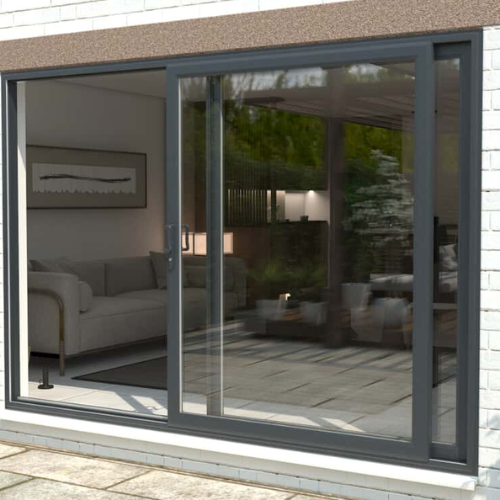
Hardware finishes should feel intentional, not tacked on. If you love brass in the kitchen, you can echo warm tones with bronze or similar handles, though you need to check the system’s options. On a Fulham house, we used a deep bronze handle on a soft grey frame and it elevated the whole window set. Another client tried polished chrome on black frames, which looked sharp but showed fingerprints relentlessly. A satin finish would have been kinder for daily life.
Acoustics for London living
If your home sits near a rail line, a main road, or even a lively pub terrace, acoustic strategy is not optional. The simplest upgrade is laminated glass with mixed thickness panes, paired with good perimeter sealing. If you still hear low rumbles, ask about widening the airspace in the double-glazed unit to detune resonance. Internal plasterboard linings with acoustic insulation in reveals can complement the window upgrade, but that needs coordination with the installer to keep sightlines consistent. Heavy curtains still help at night, and the combination is usually what moves a bedroom from tolerable to quiet.
Aftercare, maintenance, and what a good warranty looks like
Aluminium takes little maintenance. Wash frames a few times per year with mild soapy water, rinse, and dry. Avoid aggressive cleaners that attack gaskets. Keep trickle vents clear. A drop of silicone spray on hinges and rollers once a year goes a long way. Check drainage holes externally and brush away debris. If a handle loosens, tighten the set screws before wear develops.
For glass, expect a separate warranty on sealed units, often 5 to 10 years against internal condensation. Frames and finishes can carry longer structural warranties, sometimes 10 to 20 years. Read the conditions, especially around coastal exposure and cleaning frequency. Good installers in London tend to offer a service visit within the first year to adjust settling and address snags. Take them durajoin.com up on it.
When to choose a single supplier for the whole package
Some homeowners try to save money by splitting suppliers, windows from one, doors from another. A few times it works, more often it complicates things. One team blames the other for alignment or weathering issues at the interface. A single supplier who handles both Aluminium Windows in London and Aluminium Doors in London can align thresholds, finishes, and locking systems. If you like the idea of one point of accountability, shortlist firms that can stand behind the entire envelope. This is where names like Durajoin Aluminium Windows and Doors often come up, because consistency across products and a single warranty saves time and reduces grey areas.
A clear path from first call to final clean
Homeowners who get the best results follow a simple rhythm that keeps momentum without missing steps.
- Shortlist two or three local specialists after seeing real installations, not just brochures. Ask to visit a recent client within a few miles. Commission a detailed survey and ask for a written specification by elevation. Check glass types, spacer choices, and finish codes. Confirm planning or conservation requirements early, including sightlines, glazing bars, and any heritage details, then lock colours. Schedule installation by elevation, agree protection and daily cleanup routines, and keep a single contact responsible for decisions. Walk the job on handover with the installer, operate every window and door, get all documentation, and book the 6 to 12 month check-in.
The local search, done smartly
Typing “Aluminium windows near me” will return a swarm of ads and directories. Filter quickly by looking for firms that publish technical specs, not only lifestyle imagery. If the site mentions U-values, gasket types, drainage principles, and shows section drawings, you are dealing with people who care about performance. If they can explain the trade-offs between laminated and toughened glass without pushing one option, even better.

I also value a phone call where the person listens more than they pitch. A good installer asks about your street noise, how the rooms are used, when the sun hits the facade, and whether bedrooms need blackout solutions. They will ask about children, pets, elderly relatives, and accessibility. They seek to understand your life, because windows are not just apertures, they are the edges of your daily experience.
What success looks and feels like
When a whole-home aluminium upgrade lands well, you feel the benefits immediately and they do not fade. The morning light stretches across the room with sharper edges because of clearer glass and slimmer frames. You twist a handle and the sash moves cleanly with a soft seal at the end of travel, no shove, no rattle. On a windy night the rooms stay calm. On a hot day the solar control glass keeps the heat sensible, and cross-ventilation is easy because the openings were planned, not improvised.
And there is the quiet satisfaction of a home that looks resolved. The lines line up. The front elevation speaks the same language as the garden doors. The frames step back and let the architecture and the outdoor view take the stage. That is the real prize of planning, not just buying.
If you are standing at the start line, keep your search focused and local: look for Aluminium Windows in London with a partner who also understands doors, and use your “aluminium windows near me” search to find teams with real projects you can touch. If a company like Durajoin Aluminium Windows and Doors or a similar specialist offers to walk you through a nearby installation and talk through the why behind each choice, take the time. The best decisions are the ones you make with your hands on real handles, your eyes on real sightlines, and a clear plan in your pocket.